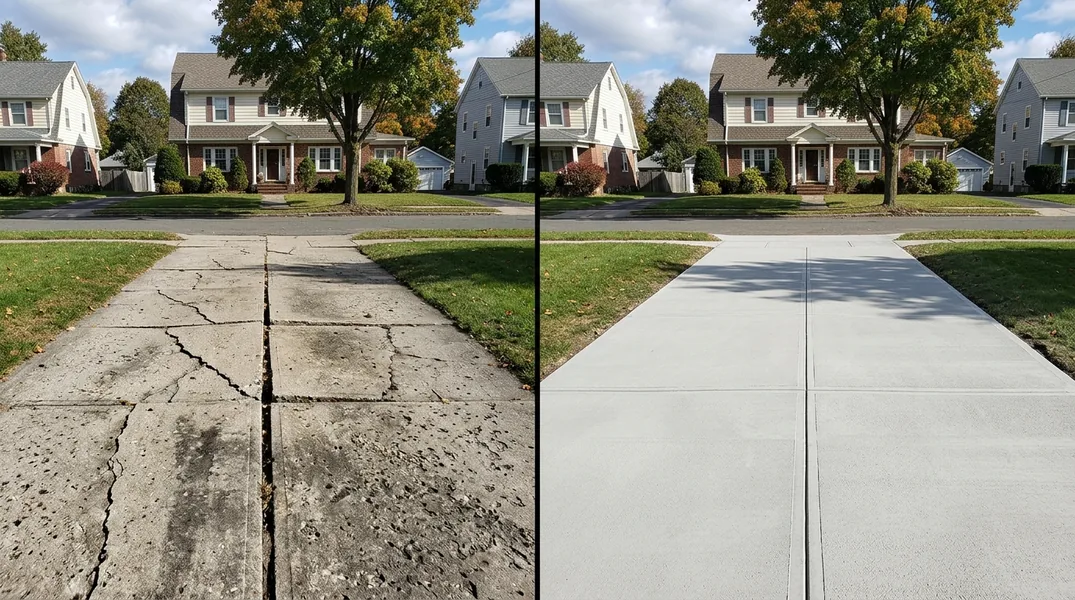
Why Timing Matters for Concrete Pouring in Massachusetts
If you're planning a concrete project in Springfield, timing is everything. Many homeowners don't realize that when you pour concrete directly impacts how well it cures, how long it lasts, and whether you'll face costly problems down the road. The weather conditions during and after pouring determine whether your concrete reaches full strength or develops cracks, weak spots, and premature deterioration.
Massachusetts experiences significant seasonal temperature swings, from freezing winters to warm summers. These fluctuations create very different conditions for concrete curing. A Concrete Driveways project poured at the wrong time of year can fail prematurely, while one poured during optimal conditions will provide decades of reliable service. Understanding when to pour concrete massachusetts is essential knowledge for any homeowner planning a driveway, patio, or other concrete improvement.
Spring and Early Summer: The Ideal Concrete Pouring Season in Springfield
Late April through June represents the sweet spot for concrete pouring season springfield. During these months, daytime temperatures typically range between 50 and 75 degrees Fahrenheit, which is ideal for concrete curing. The concrete needs warmth to hydrate properly and gain strength, but not so much heat that it dries too quickly and cracks. Spring weather in Springfield provides consistent conditions that allow concrete to cure evenly and achieve maximum durability.
Beyond temperature, spring offers another significant advantage: lower rainfall compared to other seasons. While concrete can be poured during light rain, excessive moisture can compromise the curing process and weaken the final product. Spring's moderate moisture levels mean your concrete contractor can work more predictably and complete projects on schedule. If you're considering Concrete Patios or other decorative work, spring is also when you'll see the best aesthetic results, as the concrete can be finished and sealed properly without weather interference.
Many Springfield homeowners book their concrete projects for May and June, so if you're planning a driveway installation or repair, getting your free estimate early is wise. Springfield Concrete often fills its spring schedule quickly, and scheduling early ensures you won't face delays.
Late Summer and Early Fall: A Secondary Pouring Window
August through September can also work well for concrete projects, though it's considered a secondary window compared to spring. Late summer temperatures are typically warm enough for proper curing, and the intense heat of July has passed, reducing the risk of rapid drying and thermal cracking. If you missed the spring season or have scheduling constraints, early fall can still yield excellent results for Stamped & Decorative Concrete projects and standard driveways.
The key consideration during late summer is managing heat-related curing challenges. Concrete poured in very hot conditions can set too quickly, trapping moisture inside and creating weak zones. A skilled springfield concrete contractor will adjust water content, use retarders, and apply proper curing methods to compensate for the heat. As temperatures begin to cool in September, conditions become increasingly favorable, making mid-September through early October another reasonable window for concrete work.
Cold Weather Concrete Curing: Why Winter Pouring is Risky
Winter in Massachusetts presents serious challenges for concrete work. When temperatures drop below 40 degrees Fahrenheit, concrete cures very slowly, and below 32 degrees, the hydration process essentially stops. This creates a critical problem: if concrete freezes before it reaches sufficient strength, the expanding ice can cause permanent damage, including spalling, cracking, and structural failure. This is why cold weather concrete curing requires specialized knowledge and significantly more expensive methods.
A springfield concrete contractor can pour concrete in winter using heated enclosures, heated concrete mix, and accelerating admixtures, but these measures add substantial pricing to your project. For most homeowners, waiting until spring is the more economical and practical choice. If you absolutely must proceed with winter concrete work, expect to pay premium rates and allow extended curing time. The concrete must be protected and monitored continuously until it reaches sufficient strength, which can take weeks in cold conditions.
Spring thaw also poses risks for winter-poured concrete. If concrete hasn't fully cured before freezing temperatures return and the ground expands, your driveway or patio can heave and crack. This is why experienced contractors strongly advise against winter pouring unless there are compelling reasons and adequate resources to protect the work.
Fall and Approaching Winter: The Window Closes Quickly
October can still work for concrete projects if you start early in the month, but timing becomes increasingly critical as you approach November. By late October, nighttime temperatures regularly dip below 50 degrees, which slows curing significantly. Once you reach November, the risk of frost, freeze cycles, and unpredictable weather makes concrete pouring problematic. If your project hasn't been completed by early November, it's generally wise to wait until spring rather than rush and risk a poor outcome.
If you're considering fall concrete work, contact Springfield Concrete at (413) 288-4351 to discuss your specific project timeline. Our team can assess whether your project can be safely completed before winter weather arrives or if spring scheduling would be the better option. Every project is unique, and we'll provide honest guidance based on current weather patterns and your concrete's specific requirements.
Concrete Repair and Resurfacing: Seasonal Considerations
Concrete Repair & Resurfacing projects follow similar seasonal guidelines as new concrete work. Spring and early summer remain ideal for repairs, as proper curing conditions ensure the repair material bonds effectively and achieves full strength. If your existing driveway or patio has developed cracks or surface damage, addressing it during warm months allows the repair to cure properly before winter stress arrives.
Fall repairs can work if completed early enough, but winter is generally not recommended for concrete repair work. The exception is minor patching or maintenance that doesn't require full curing before winter, but even these projects benefit from being completed during warmer months. If you notice concrete damage and want to schedule repairs, spring is the optimal time to call a contractor and get the work done before the season gets busy.
Planning Your Springfield Concrete Project: Next Steps
Now that you understand when to pour concrete massachusetts, the next step is planning your specific project. Whether you need a new driveway, patio, or decorative concrete work, timing your project for spring or early summer will give you the best results and longest-lasting investment. Start by contacting Springfield Concrete for a free estimate and discussing your timeline with our experienced team.
Our springfield concrete contractor team has years of experience working with Springfield homeowners and understands the local climate challenges. We'll help you choose the optimal pouring date, explain what to expect during curing, and ensure your concrete project is completed to the highest standards. Call us today at (413) 288-4351 to schedule your consultation and get your project on the calendar for the best season ahead.
Looking for a professional concrete contractor in Springfield? Springfield Concrete responds fast for all your concrete needs.
Get a Free QuoteOur services: Concrete Driveways · Concrete Patios · Stamped & Decorative Concrete