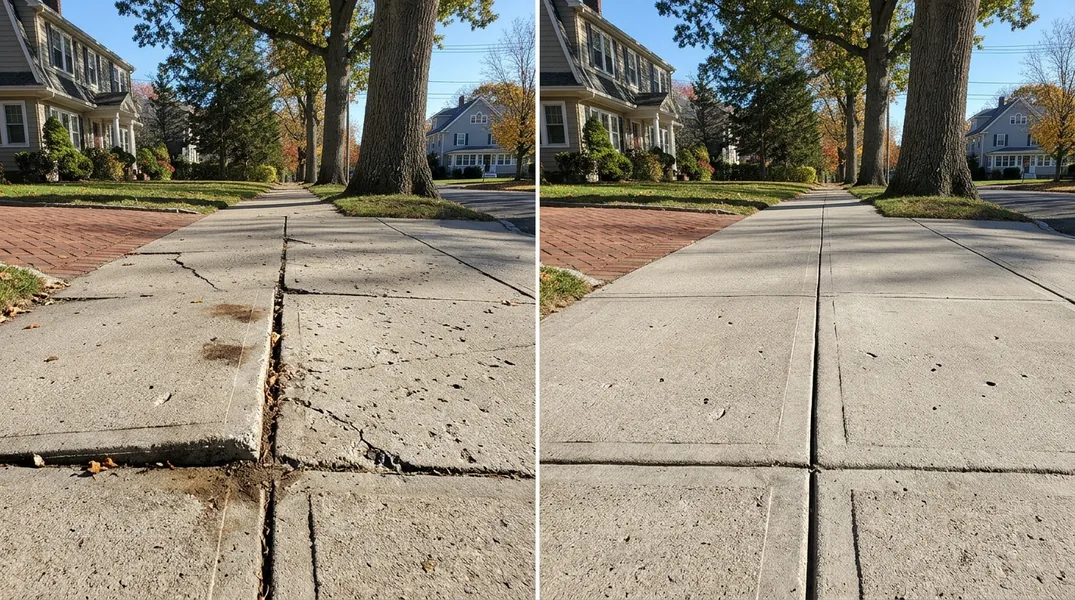
The Perfect Storm: Why Springfield's Climate Attacks Concrete
Springfield sits in western Massachusetts where winter conditions create an ideal environment for concrete damage. The region experiences frequent freeze-thaw cycles, where temperatures hover around freezing for weeks at a time. Water seeps into tiny pores and cracks in your concrete, then freezes and expands. This expansion exerts tremendous pressure on the concrete from within, causing it to crack, spall, and deteriorate year after year.
What makes Springfield particularly challenging is the combination of three factors working together. You have the moisture and temperature swings typical of New England winters, the aggressive use of road salt on local streets and driveways, and the underlying valley clay soil that holds water and creates additional pressure beneath your concrete. Homeowners who understand these forces can take meaningful steps to protect their investment.
Freeze-Thaw Concrete Damage Springfield MA: How It Happens
Freeze-thaw damage is the most common form of concrete deterioration in western Massachusetts. The process begins innocuously: a small crack or pore in your concrete allows water to enter. When temperatures drop below 32 degrees, that water freezes and expands by approximately 9 percent. This expansion pushes outward against the surrounding concrete with surprising force. When the temperature rises above freezing, the ice melts and water drains away, leaving a tiny void. Over dozens of freeze-thaw cycles each winter, these voids accumulate and enlarge.
After several winters, you'll notice surface scaling (small flakes of concrete peeling away), larger cracks, or even chunks breaking off from the edges and corners of your Concrete Driveways. This damage accelerates once it begins because each new crack provides more pathways for water to penetrate deeper into the concrete structure. What started as a minor cosmetic issue can eventually compromise the structural integrity of your driveway, making it unsafe and expensive to repair.
Road Salt Concrete Scaling: The Hidden Culprit
Road salt is essential for winter safety, but it is devastating to concrete. When salt dissolves in water on your driveway, it lowers the freezing point of water and accelerates the freeze-thaw cycle. More importantly, salt crystals penetrate the concrete surface and draw additional moisture into the material. This process, called osmotic pressure, forces water deeper into the concrete and creates internal stress that causes scaling and spalling.
Scaling appears as a rough, pitted surface where the top layer of concrete flakes away in thin sheets. Unlike cracks that go deep into the concrete, scaling primarily affects the surface, but it is still a serious problem. Once scaling begins, it progresses rapidly because the damaged surface has no protection against further salt and water penetration. If your driveway shows signs of scaling, you should consider Concrete Repair & Resurfacing before the damage spreads to the structural core of your driveway. The longer you wait, the more expensive the repair becomes.
Valley Clay and Frost Heave Driveway Western Mass: Soil Matters
Beneath many driveways in western Massachusetts lies clay soil, a legacy of glacial deposits left behind thousands of years ago. Clay holds water far better than sandy or gravelly soil, which means moisture accumulates beneath your driveway foundation. When winter arrives and temperatures plunge, that groundwater freezes and expands, pushing upward with tremendous force. This upward movement is called frost heave, and it can lift sections of your driveway by several inches over a single winter.
Frost heave creates uneven surfaces, cracked concrete, and structural problems that make your driveway unsafe and uncomfortable to drive on. The problem is particularly severe if your driveway was installed without adequate drainage or a proper base layer. Poor drainage traps water against the concrete, making frost heave more likely and more severe. If you live in an area with clay soil and notice your driveway heaving or cracking unevenly, inadequate drainage is likely the root cause. Addressing this issue requires professional assessment and often involves improving the base preparation and drainage system around your driveway.
Protecting Your Concrete Driveway Near Me: Prevention Strategies
The best defense against freeze-thaw damage, salt damage, and frost heave is prevention. Seal your concrete every two to three years with a high-quality concrete sealer. A good sealer fills surface pores and creates a barrier that slows water penetration. This simple step dramatically extends the life of your driveway by reducing the amount of moisture that can enter the concrete during winter.
Second, manage water drainage around your driveway. Ensure that gutters and downspouts direct water away from your concrete, and grade the soil so that water runs off rather than pooling. Third, minimize salt use on your driveway. Consider using sand, kitty litter, or calcium chloride alternatives that are less damaging to concrete. When you must use salt, apply it sparingly and remove it as soon as possible in spring.
If your driveway already shows signs of damage, do not wait for spring to address it. Winter damage compounds itself each year, and early intervention is always less expensive than waiting. Contact Springfield Concrete at (413) 288-4351 to discuss your options for Concrete Repair & Resurfacing.
When to Call a Professional: Concrete Repair Springfield Massachusetts
Some concrete damage can be managed with DIY sealing and maintenance, but significant damage requires professional attention. If your driveway shows deep cracks wider than one-quarter inch, large areas of spalling or scaling, heaving sections, or if you notice water pooling on the surface, you need expert help. Attempting to patch or repair severe damage without addressing the underlying cause will only delay the inevitable and waste money on temporary fixes.
Springfield Concrete specializes in diagnosing concrete problems and recommending the most cost-effective solutions. Whether your driveway needs resurfacing, full replacement, or simply better drainage, we can assess the damage and explain your options. We serve Springfield and the surrounding western Massachusetts region. Call us today at (413) 288-4351 or visit our website to request a free estimate. The sooner you address concrete damage, the more you save in the long run.
Looking for a professional concrete contractor in Springfield? Springfield Concrete responds fast for all your concrete needs.
Get a Free QuoteOur services: Concrete Driveways · Concrete Patios · Stamped & Decorative Concrete